
Introduction
A classroom is more than a room filled with desks and chairs. It is an environment where students learn, communicate, collaborate and develop everyday habits. The furniture used within that environment can influence how effectively the available space is organised and how comfortably it supports daily activities.
For schools and educational institutions, furniture needs to balance practicality, durability, comfort and efficient space utilisation. The right furniture solution should work with the classroom rather than simply occupy it.
Understanding Classroom Requirements
Every educational space has different requirements. Classroom size, student capacity, age group, layout and intended use can all influence furniture selection.
A well-planned classroom furniture solution should consider:
- Available floor space
- Number of students
- Desk and seating arrangement
- Appropriate table and chair heights
- Movement between furniture
- Teacher’s working area
- Storage requirements
- Long-term everyday use
Furniture should be selected according to the actual application rather than simply based on appearance.
Furniture Designed for Everyday Learning
Institutional classroom furniture is expected to withstand regular use. Desks and chairs are moved, used and rearranged throughout the academic year.
Materials, construction and finishing therefore become important considerations.
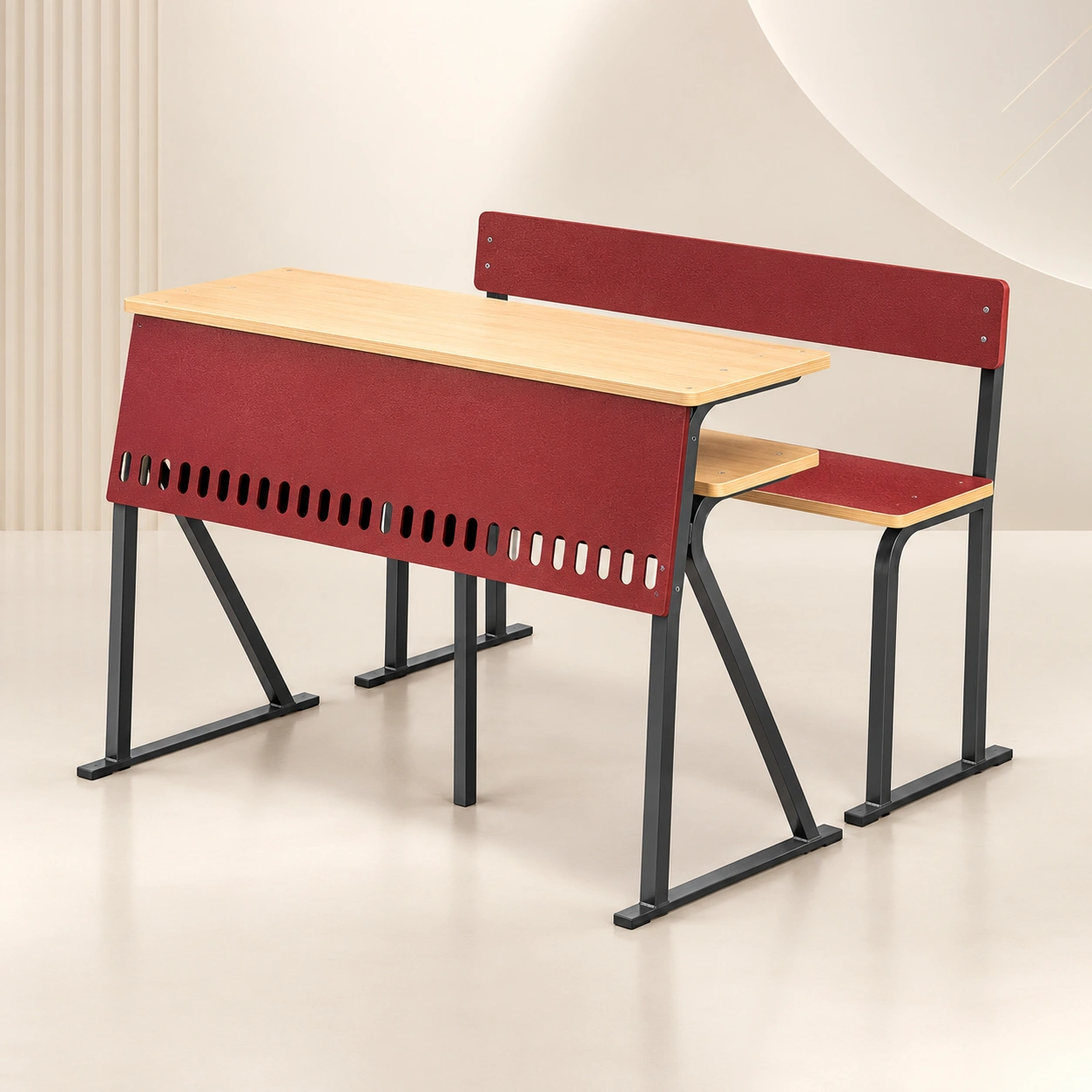
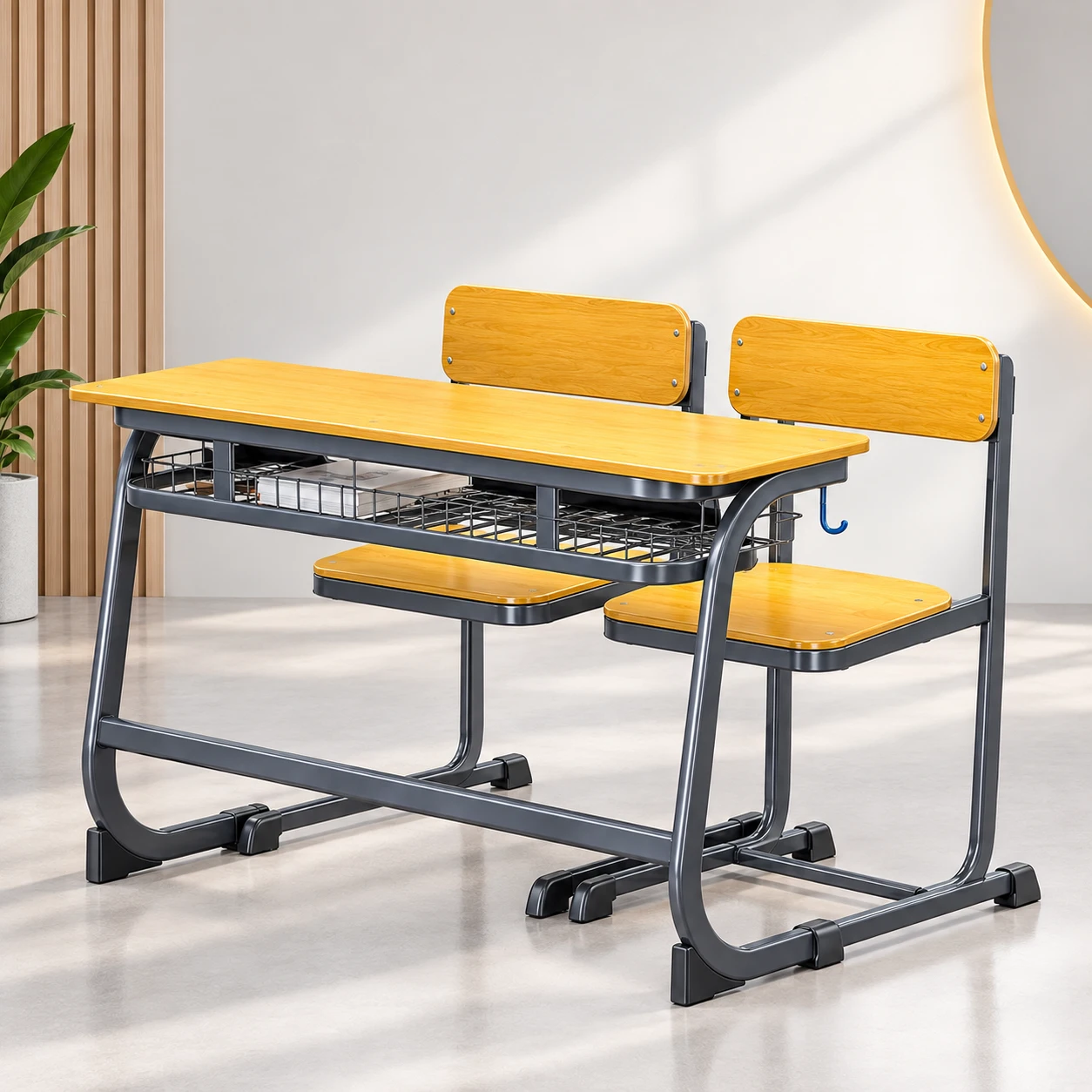
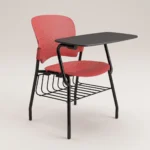
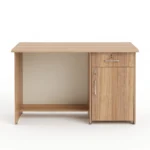
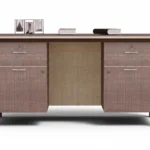
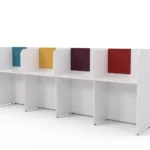
The NEW CREATIVE institutional furniture range includes practical desk and seating solutions designed around educational requirements. The CLAVER Series and PRIME Series provide different configurations for classroom environments.
The CLAVER Series includes desk and chair combinations with height ranges that can be manufactured according to client requirements.
Creating an Organised Classroom
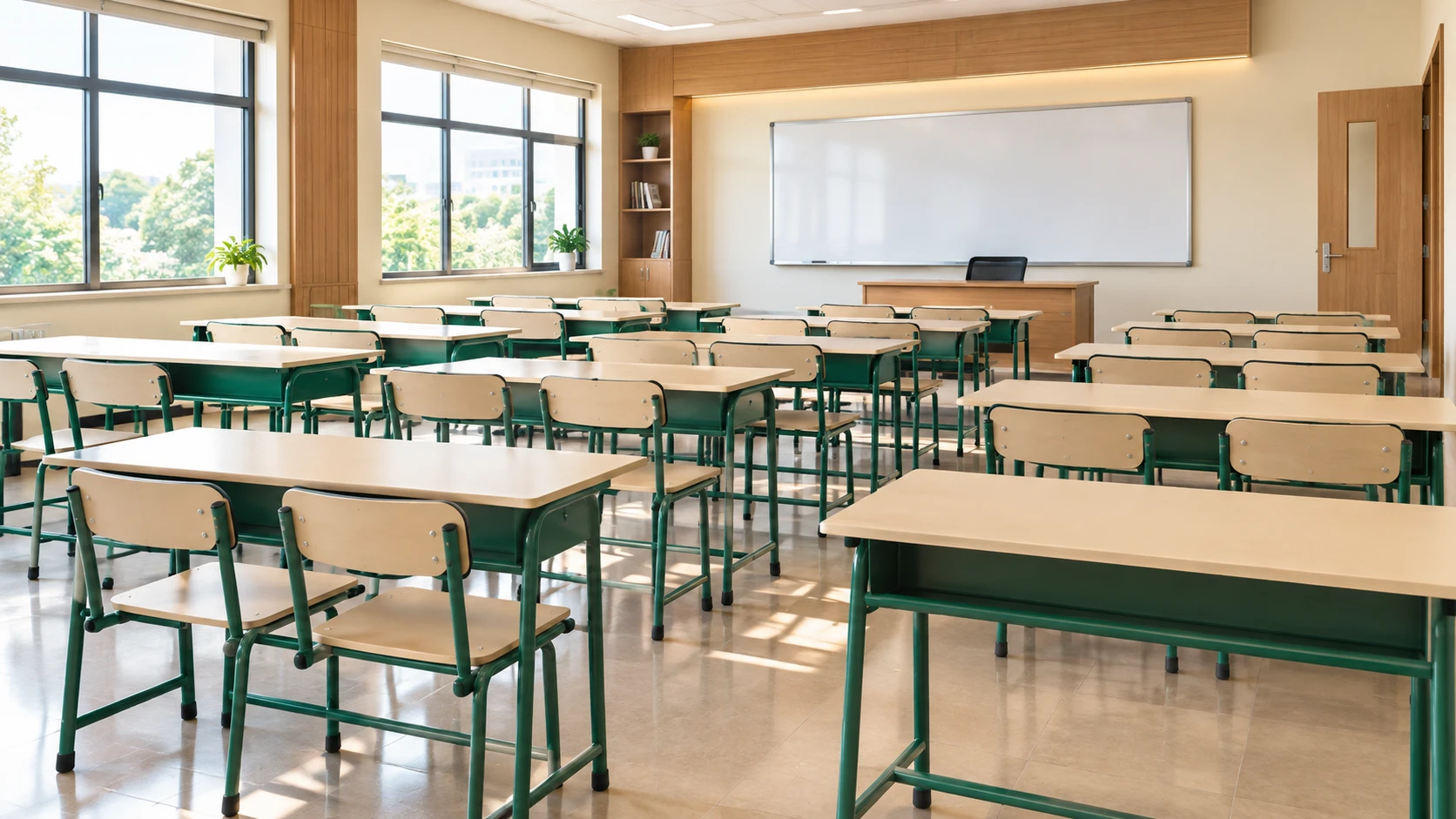
The arrangement of furniture can make a significant difference to the usability of a classroom.
Rows of desks can support focused classroom teaching, while alternative arrangements can provide greater flexibility for collaborative activities.
A well-organised layout should allow:
- Comfortable student movement
- Clear teaching visibility
- Efficient use of floor area
- Easy access to furniture
- Flexible classroom activities
Choosing Furniture for Different Educational Levels
Different student groups may require different furniture dimensions.
The CLAVER Series is presented for middle-school through higher-secondary standards, with table and chair heights that can be manufactured according to client requirements.
This flexibility allows institutions to consider furniture based on the actual age group and application.
A Practical Approach to Furniture Selection
The best furniture decision begins with understanding the requirement.
Instead of selecting furniture only from a visual perspective, institutions can consider the complete application — space, quantity, usage, dimensions and expected environment.
Conclusion
Modern classroom furniture should combine practical design with dependable everyday use. With thoughtful planning, furniture can become an important part of creating organised, comfortable and functional learning environments.

Est pellentesque elit ullamcorper dignissim cras tincidunt lobortis. Donec ultrices tincidunt arcu non sodales neque sodales ut etiam. Quis blandit turpis cursus in hac habitasse platea dictumst quisque. Dignissim cras tincidunt lobortis feugiat vivamus at augue.